
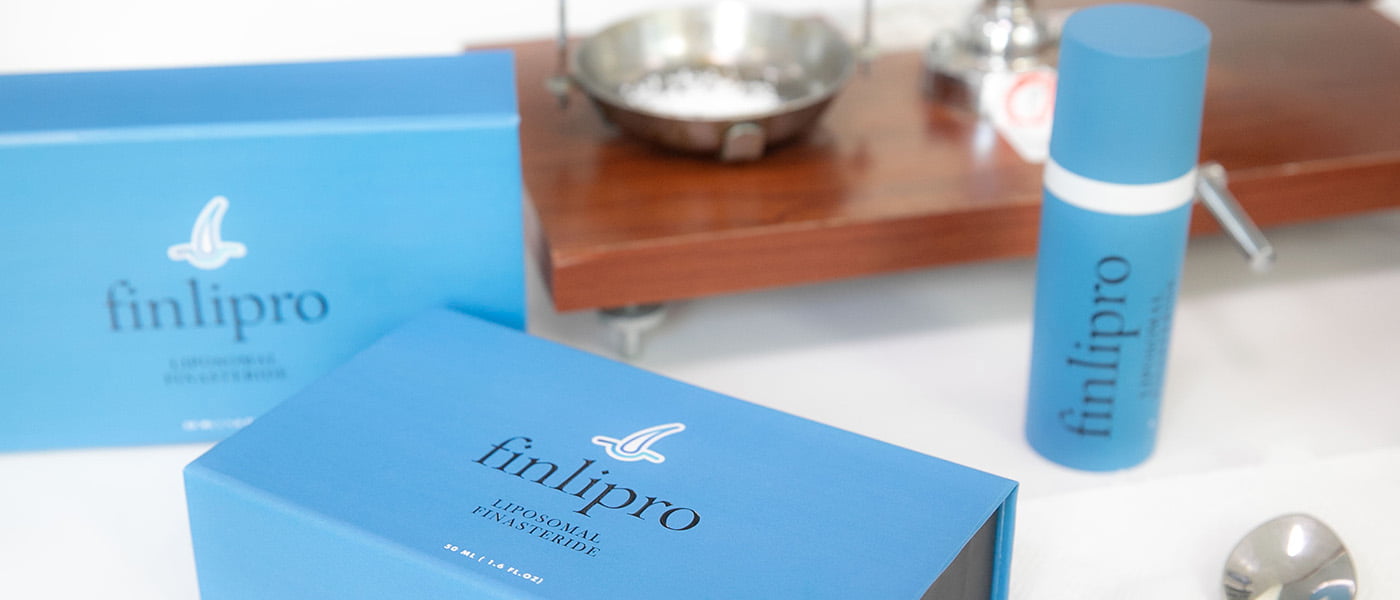
Finasteride for Androgenetic Alopecia Management is a clinically studied approach used to slow down hair loss, stabilize hair density, and support long-term scalp health in individuals affected by male pattern baldness. It works by reducing DHT levels, a hormone directly linked to follicular miniaturization. When used correctly under medical guidance, it can significantly improve hair retention and complement both medical and surgical hair restoration strategies.
 Introduction
Finasteride for Androgenetic Alopecia Management has become one of the most widely discussed and researched treatments for genetic hair loss. It targets the root hormonal cause of androgenetic alopecia by inhibiting the conversion of testosterone into dihydrotestosterone (DHT). This helps slow down follicle shrinkage and supports long-term hair preservation.
Modern dermatology and hair restoration clinics combine finasteride with complementary therapies such as minoxidil, PRP treatments, and hair transplantation. This multi-layered approach improves success rates and patient satisfaction significantly. In fact, clinical studies show that finasteride can reduce hair loss progression in up to 83% of patients over a 2-year period when used consistently.
Androgenetic alopecia develops due to genetic sensitivity of hair follicles to DHT. This hormone gradually weakens follicles, shortens the growth phase, and leads to thinner hair strands over time.
Finasteride for Androgenetic Alopecia Management directly inhibits the 5-alpha reductase enzyme, which is responsible for converting testosterone into DHT. This hormonal control mechanism makes it a cornerstone therapy in modern hair loss treatment protocols.
Hair transplantation offers a permanent solution for restoring lost hair, but post-procedure care determines long-term success. Clinics emphasize that surgical results must be supported with medical therapies to maintain surrounding native hair.
Clinics such as Veraclinic Hair Transplant Turkey provide structured post-operative care plans, combining surgical precision with medical maintenance strategies. Many specialists recommend integrating finasteride-based therapy after transplantation to prevent further hair loss in non-transplanted areas.
Finasteride for Androgenetic Alopecia Management plays a critical role after transplantation because it helps protect existing native hair from further DHT-related thinning. Without maintenance therapy, patients may continue losing non-transplanted hair, creating an uneven aesthetic result.
Many clinics now combine surgical treatment with long-term pharmacological support, improving overall graft survival and density retention.
Topical finasteride has gained attention as a localized treatment option designed to reduce systemic side effects while targeting scalp DHT directly. It is applied directly to the scalp in solution or spray form and works by minimizing DHT activity at the follicular level.
Recent studies show that topical formulations can reduce scalp DHT levels by up to 50–70%, depending on concentration and absorption rate.
However, absorption variability remains a challenge. Some patients respond exceptionally well, while others require oral therapy for stronger systemic suppression.
Finasteride for Androgenetic Alopecia Management in topical form continues to evolve as pharmaceutical technologies improve delivery systems such as liposomal carriers and nano-emulsions.
Choosing between oral and topical finasteride depends on patient profile, severity of hair loss, and tolerance levels.
| Treatment Type | Mechanism | Advantages | Limitations |
|---|---|---|---|
| Oral Finasteride | Systemic DHT reduction | Strong clinical evidence, high efficacy | Possible systemic side effects |
| Topical Finasteride | Local scalp DHT reduction | Lower side effects risk | Variable absorption |
| Combination Therapy | Dual approach | Balanced effectiveness | Requires monitoring |
Oral finasteride remains the gold standard in Finasteride for Androgenetic Alopecia Management due to its extensive clinical validation. However, topical solutions are rapidly gaining popularity among patients seeking reduced systemic exposure.
Successful hair loss treatment requires a long-term mindset rather than a short-term fix. DHT suppression must be maintained continuously to prevent relapse.
Finasteride for androgenetic alopecia management works best when combined with these supportive treatments. This combination approach improves scalp circulation, strengthens follicle structure, and extends the hair growth phase.
Patients often discontinue treatment too early, which leads to reversal of progress. Hair loss management should be viewed as a continuous maintenance system rather than a temporary cure.
Dermatology experts recommend starting treatment early rather than waiting for advanced hair loss stages. Early intervention significantly increases follicle preservation rates. Combining finasteride with lifestyle optimization such as stress reduction and balanced nutrition improves overall outcomes.
Finasteride for Androgenetic Alopecia Management requires consistency and patience. Misuse or irregular application reduces long-term success rates significantly.
These mistakes often reduce the effectiveness of even the most advanced hair restoration plans.
Veraclinic Hair Transplant Turkey is known for combining advanced surgical techniques with post-operative medical support strategies. Many patients benefit from structured follow-up protocols that include medication-based maintenance and scalp care programs.
Clinics like this often recommend supportive therapies such as finasteride-based regimens and branded solutions like finliproyu, which some users prefer as part of their post-treatment routine. These integrated approaches aim to maintain transplant results while preserving existing hair density.
When surgical restoration and medical management work together, long-term outcomes become significantly more stable and natural-looking.
| Treatment Approach | Primary Goal | Effectiveness Level | Best For |
|---|---|---|---|
| Oral Finasteride | Systemic DHT suppression | High | Moderate to advanced hair loss |
| Topical Finasteride | Local scalp DHT control | Medium to High | Early-stage hair thinning |
| Post-Transplant Support | Preserve native hair | Very High | Hair transplant patients |
| Combination Therapy | Comprehensive control | Very High | Long-term maintenance plans |
Finasteride for Androgenetic Alopecia Management remains the foundation across all these strategies due to its proven clinical reliability.
Finasteride reduces DHT levels, which helps slow down or stop genetically driven hair loss in most patients.
Most users notice visible improvement within 3 to 6 months of consistent use.
Topical versions can be effective, but oral finasteride generally shows stronger and more consistent results.
Yes, it is commonly recommended to preserve existing hair and maintain long-term transplant results.
