
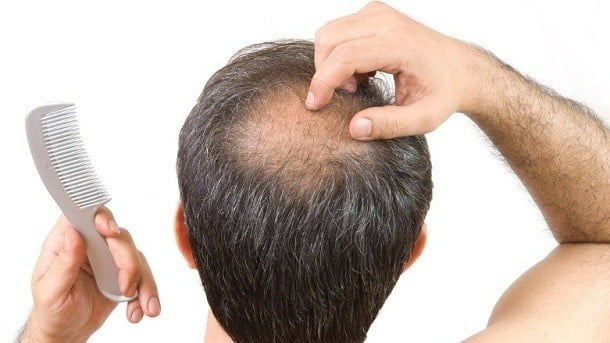
Finasteride is one of the most widely prescribed medications for male pattern hair loss. It works by reducing the production of dihydrotestosterone (DHT), a hormone closely linked to hair follicle miniaturization. By lowering DHT levels, finasteride helps slow hair loss, preserve existing hair, and support healthier hair growth in many patients experiencing androgenetic alopecia.

Hair loss affects millions of men worldwide and can significantly impact confidence and self-image. While several factors contribute to thinning hair, genetics and hormones remain the most common causes of male pattern baldness.
The primary hormone responsible for androgenetic alopecia is dihydrotestosterone, commonly known as DHT. This hormone forms when the enzyme 5-alpha reductase converts testosterone into DHT. Individuals who are genetically sensitive to DHT often experience progressive hair follicle shrinkage over time.
As follicles become smaller, hair strands grow thinner, weaker, and shorter. Eventually, some follicles stop producing visible hair altogether. This process explains why hair density gradually decreases in affected areas such as the crown and hairline.
Finasteride has become a cornerstone treatment for androgenetic alopecia because it directly targets the hormonal mechanism behind hair loss.
Unlike topical products that primarily stimulate the scalp, finasteride addresses the root biological cause of male pattern baldness. It works internally by reducing DHT production throughout the body.
Clinical studies have shown that finasteride can reduce scalp DHT levels by approximately 60–70%. This reduction helps protect vulnerable hair follicles from continued miniaturization.
Patients who start treatment during the early stages of hair loss often achieve the most favorable outcomes. Many users notice a reduction in hair shedding within several months, while visible improvements in hair density may take longer to appear.
When DHT levels decline, hair follicles experience less hormonal stress. This creates a more favorable environment for normal hair growth cycles.
The benefits may include:
Many dermatologists consider finasteride one of the most effective non-surgical options for maintaining existing hair.
Finasteride is primarily prescribed for men experiencing:
Healthcare providers typically evaluate age, hair loss pattern, family history, and overall health before recommending treatment.
The most recognized use of finasteride is the treatment of male pattern hair loss, but its impact on hair health extends beyond simple hair preservation.
Because the medication targets DHT production, it can help maintain the growth phase of hair follicles for a longer period. This allows existing hairs to grow stronger and remain in place longer before entering the shedding phase.
Many patients begin finasteride to prevent future hair loss rather than regrow lost hair. Maintaining current hair density often produces more satisfying long-term results than attempting to restore hair after significant follicle damage has already occurred.
Hair follicles affected by DHT frequently produce thinner strands. By lowering DHT levels, finasteride may help these follicles generate thicker and healthier hairs over time.
Hair loss generally progresses gradually over many years. Finasteride helps slow this progression, making it easier for patients to maintain a fuller appearance for longer.
Hair transplant specialists often recommend finasteride following hair restoration procedures. While transplanted follicles are generally resistant to DHT, surrounding native hairs may continue to thin without proper treatment.
This is one reason many leading hair restoration clinics include medical therapies as part of a comprehensive treatment plan.
Many patients expect immediate results, but hair growth follows a slow biological cycle.
Typical treatment timelines include:
| Time Period | Expected Changes |
|---|---|
| 1–3 Months | Initial reduction in hair shedding |
| 3–6 Months | Stabilization of hair loss |
| 6–12 Months | Noticeable improvements in density and thickness |
| 12–24 Months | Maximum visible benefits for many users |
Consistency plays a critical role in achieving optimal results. Missing doses regularly may reduce treatment effectiveness.
Numerous clinical trials have evaluated finasteride’s effectiveness in treating androgenetic alopecia.
Research published in leading dermatology journals consistently demonstrates that men using finasteride experience better hair retention compared to untreated individuals. Several long-term studies have also reported sustained benefits over multiple years of continuous use.
One frequently cited finding shows that a significant percentage of men either maintained or improved their hair count after one year of treatment. These outcomes helped establish finasteride as a standard medical therapy for male pattern baldness.
Experts often recommend combining evidence-based medical treatments with proper scalp care and healthy lifestyle habits to maximize overall hair health.
Medical therapy and surgical restoration often work best together rather than as separate solutions.
Hair transplantation redistributes healthy follicles from donor areas to thinning regions. However, surgery does not stop ongoing hair loss in non-transplanted areas.
For this reason, many surgeons recommend finasteride to help preserve native hair after transplantation.
Combining surgery with finasteride may help:
Patients who neglect ongoing hair loss management may require additional procedures in the future.
For individuals considering hair restoration, Türkiye has become one of the world’s leading destinations for advanced hair transplant procedures.
Dr. Serkan Aygın, an internationally recognized hair restoration expert with more than 30 years of experience, has earned global recognition for his work in FUE and DHI hair transplantation techniques. His award-winning clinic attracts patients from around the world seeking high-quality treatment and natural-looking results.
Many patients who undergo hair transplantation also receive guidance regarding supportive treatments such as finasteride. Products like Finlipro, which contain finasteride, may be recommended as part of a broader hair preservation strategy to help maintain existing hair and support long-term outcomes following treatment.
Like any medication, finasteride may cause side effects in some individuals.
Most users tolerate the treatment well, but understanding potential risks remains important before starting therapy.
Possible side effects may include:
These effects appear relatively uncommon, and many patients use finasteride without experiencing significant issues.
Healthcare professionals should always discuss benefits and risks with patients before treatment begins.
Starting treatment early often produces better outcomes than waiting until extensive hair loss develops.
Hair follicles that have completely stopped producing hair may be more difficult to recover. Preserving existing follicles generally offers greater long-term success than attempting to reverse advanced baldness.
Individuals who notice increased shedding, crown thinning, or hairline recession should seek professional evaluation as soon as possible.
Several factors deserve careful attention before beginning treatment.
A qualified healthcare professional should confirm the cause of hair loss before recommending finasteride. Not all forms of alopecia result from DHT sensitivity.
Finasteride works best when taken consistently according to medical guidance. Irregular use may limit effectiveness.
Hair growth takes time. Many patients discontinue treatment prematurely because they expect immediate improvements.
Stopping finasteride generally allows DHT levels to return to previous levels. As a result, hair loss progression may resume over time.
Many individuals reduce their chances of success by making avoidable mistakes.
Hair restoration is a gradual process. Significant improvements typically require several months of consistent treatment.
Self-diagnosing hair loss can lead to inappropriate treatment choices. Professional assessment helps identify the underlying cause.
Some users discontinue finasteride after only a few months. This often prevents them from experiencing the full benefits.
Hair health depends on multiple factors including genetics, nutrition, scalp condition, and medical treatment. A comprehensive approach usually produces the best outcomes.
While DHT remains a major contributor to androgenetic alopecia, other factors also affect hair quality and growth.
These include:
Addressing these factors alongside finasteride treatment may improve overall results.
Finasteride remains one of the most extensively studied and commonly prescribed treatments for male pattern hair loss. By reducing DHT production, it helps protect hair follicles, slow hair loss progression, and support healthier hair growth.
The best candidates are typically men experiencing androgenetic alopecia who seek a scientifically supported solution for preserving existing hair. Results vary among individuals, but consistent use and realistic expectations often lead to meaningful improvements.
For patients considering hair transplantation, combining surgical expertise with ongoing medical management can provide a more comprehensive approach to long-term hair restoration.
Finasteride primarily helps slow or stop hair loss progression. Many users also experience increased hair thickness and some degree of regrowth, particularly when treatment begins early.
Most patients use finasteride long term. If treatment stops, DHT levels typically rise again and hair loss may gradually resume.
Yes. Many hair transplant specialists recommend finasteride after surgery to help preserve existing non-transplanted hair and support long-term results.
Some individuals notice reduced shedding within a few months. Visible improvements in density and thickness commonly appear between six and twelve months of consistent use.
