
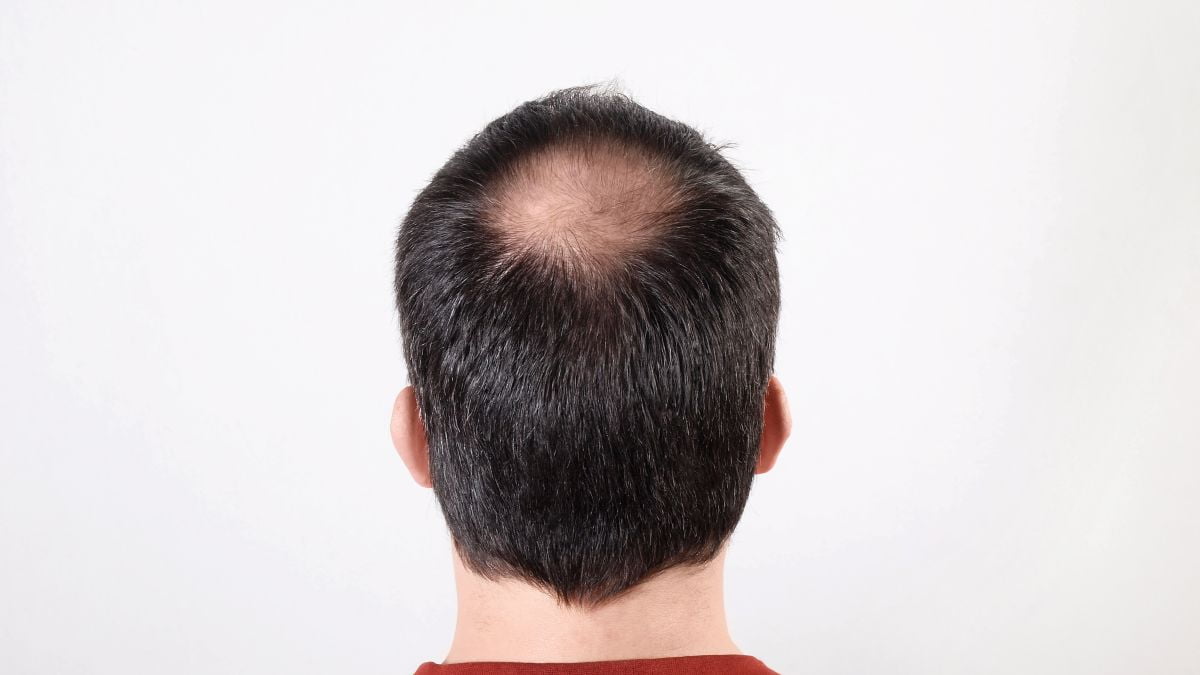
Hair loss affects millions of people worldwide and often leads to reduced self-confidence and dissatisfaction with appearance. The combination of Hair Transplant and Topical Finasteride offers a modern, evidence-based approach to restore hair density and slow down further hair loss. This strategy combines surgical restoration with medical maintenance, helping patients achieve long-term and natural-looking results.
In simple terms, Hair Transplant and Topical Finasteride work together to relocate healthy hair follicles to thinning areas while stabilizing ongoing hair loss through localized DHT suppression. This dual approach has become one of the most effective solutions for androgen-related hair thinning and pattern baldness.

Finasteride is a well-known medication used to treat hair loss, particularly in cases of androgenetic alopecia. It works by blocking the conversion of testosterone into dihydrotestosterone (DHT), a hormone responsible for shrinking hair follicles over time.
Finasteride plays a critical role in reducing hair thinning by lowering DHT levels in the scalp. When DHT decreases, hair follicles can maintain their size and continue producing thicker, healthier strands.
Androgenetic alopecia, medically known as male or female pattern baldness, is a progressive condition.
Androgenetic Alopecia affects both men and women, typically starting with thinning at the temples or crown.
Finasteride comes in two main forms:
The topical version has gained popularity because it targets the scalp directly and reduces systemic exposure.
Key benefits of finasteride in hair loss treatment include:
Clinical studies show that finasteride can reduce scalp DHT levels by up to 60–70% when used consistently. This makes it one of the most effective non-surgical treatments available today.
Topical finasteride has become a strong alternative for patients who want the benefits of finasteride without the systemic side effects often associated with oral use. It delivers the active ingredient directly to the scalp, allowing targeted action.
Topical Finasteride works by penetrating the scalp barrier and inhibiting the same enzyme responsible for DHT production.
Research suggests that topical formulations can achieve:
A 2021 clinical review reported that topical finasteride improved hair count in more than 65% of participants after 24 weeks of consistent use.

Topical finasteride is generally well tolerated. Since it limits systemic absorption, the risk of side effects such as libido changes or hormonal imbalance appears lower compared to oral forms.
However, users should still consider the following:
Important Note: Even topical treatments can enter systemic circulation in small amounts, so medical supervision remains essential.
Hair transplantation is a surgical technique that moves healthy hair follicles from a donor area (usually the back of the scalp) to thinning or bald regions. It provides permanent results because donor follicles are genetically resistant to DHT.
Two main methods dominate modern hair restoration:
FUE involves extracting individual follicles, while FUT removes a strip of scalp and divides it into grafts. Today, most clinics prefer FUE due to faster recovery and minimal scarring.
New hair typically starts growing within 3–4 months, with full results visible after 9–12 months.
However, transplanted hair does not stop native hair from thinning, which is why medical support becomes essential.
The most effective long-term strategy for hair restoration involves combining surgery with medical therapy. This is where Hair Transplant and Topical Finasteride becomes a powerful synergy.
Hair transplant restores lost density, but surrounding native hair may continue to thin if DHT remains active. Topical finasteride helps preserve this native hair, ensuring a more uniform and long-lasting result.
After a hair transplant, patients often experience:
Using finasteride topically during this phase helps reduce shock loss severity and supports stronger regrowth.
For optimal results:
Key Insight: A hair transplant alone restores what is lost, but finasteride preserves what remains. Combining both creates a stable, long-term solution.
| Treatment Method | Main Function | Results Timeline | Long-Term Effect | Maintenance Required |
|---|---|---|---|---|
| Hair Transplant | Restores lost follicles | 6–12 months | Permanent for transplanted hair | Low |
| Topical Finasteride | Reduces DHT and slows loss | 3–6 months | Maintains existing hair | Continuous use |
| Combined Approach | Restoration + protection | 3–12 months | Most stable long-term outcome | Moderate |
This comparison clearly shows why combining treatments provides the most balanced and effective approach to hair restoration.
Hair restoration specialists often recommend a strategic approach to maximize outcomes.
Expert Insight: Patients who combine lifestyle improvements with medical treatment often see 20–30% better overall results.
Medical consultation ensures proper diagnosis and treatment planning.
Avoiding these mistakes significantly improves long-term satisfaction.
Is topical finasteride enough to stop hair loss completely?
Topical finasteride can significantly slow hair loss, but it does not permanently cure it. Continuous use is necessary to maintain results.
How soon do results appear after a hair transplant?
Most patients notice new growth within 3–4 months, with full density achieved after 9–12 months.
Can I use finasteride after a hair transplant?
Yes, many specialists recommend using it to protect existing hair and improve overall density after surgery.
Are there side effects of topical finasteride?
Some users may experience mild scalp irritation, but systemic side effects are generally less common compared to oral forms.
