
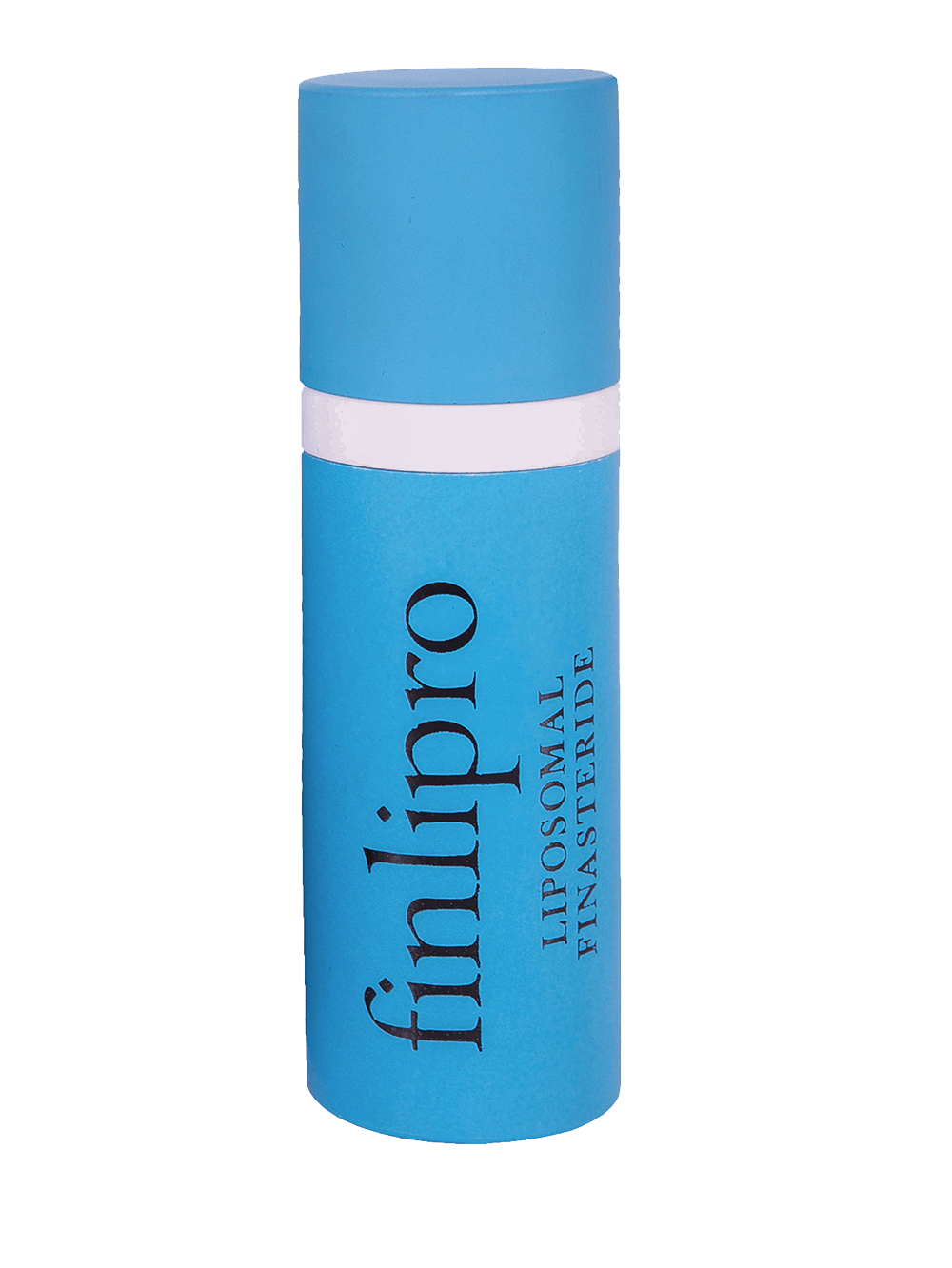
What Is Finasteride? Exploring Topical Finasteride Efficacy for Hair Density Improvement refers to the scientific and clinical evaluation of how finasteride works—especially in topical form—to reduce hair loss and improve hair density by blocking DHT activity in the scalp. Finasteride is a well-researched 5-alpha reductase inhibitor used primarily for androgenetic alopecia, and topical formulations aim to deliver targeted results with reduced systemic exposure.
Hair loss affects millions of men and women worldwide, and research consistently identifies dihydrotestosterone (DHT) as one of the primary drivers behind pattern hair thinning. Finasteride plays a central role in addressing this hormonal pathway, making it one of the most studied treatments in dermatology.

Finasteride works by inhibiting the enzyme 5-alpha reductase, which converts testosterone into dihydrotestosterone (DHT). DHT shrinks hair follicles over time, leading to thinner strands and eventual hair loss in genetically predisposed individuals.
When DHT levels drop, hair follicles regain access to a healthier growth cycle. This process does not happen overnight. Instead, it typically requires consistent use over several months to show visible improvement in hair density.
Clinical studies show that finasteride can reduce scalp DHT levels by up to 60–70% when taken orally. This reduction directly correlates with slowed hair loss progression and improved regrowth in many patients.
Key mechanisms include:
DHT sensitivity varies from person to person. Genetics, age, and hormonal balance all influence how strongly a person responds to treatment. This is why finasteride works exceptionally well for some individuals while producing more modest results in others.
Topical finasteride applies the same active compound directly onto the scalp rather than introducing it systemically through oral intake. The goal is to concentrate the effect where it matters most: the hair follicles.
This localized approach allows finasteride to inhibit DHT activity in the scalp while minimizing systemic absorption into the bloodstream.
Research suggests that topical formulations can reduce scalp DHT levels significantly while maintaining lower serum DHT suppression compared to oral tablets.
The mechanism works through:
A 2021 clinical review published in dermatology literature noted that topical finasteride achieved comparable improvements in hair count to oral finasteride in some patient groups, though results vary based on formulation strength and consistency of application.
One of the most important advantages of topical application lies in its targeted delivery system. By concentrating the active ingredient in the scalp, patients may experience fewer systemic side effects such as sexual dysfunction or mood changes, although these risks are not entirely eliminated.
The debate between topical and oral finasteride remains one of the most discussed topics in hair restoration medicine. Both forms aim to reduce DHT, but they differ significantly in how they deliver the active compound.
| Feature | Oral Finasteride | Topical Finasteride |
|---|---|---|
| Delivery Method | Systemic (tablet) | Local (scalp application) |
| DHT Reduction | High (systemic + scalp) | Moderate to high (mostly scalp) |
| Side Effect Risk | Higher systemic exposure | Lower systemic exposure |
| Convenience | Once daily pill | Daily topical application |
| Clinical Evidence | Extensive long-term studies | Growing but less long-term data |
| Hair Density Improvement | Strong in many users | Comparable in some studies |
Oral finasteride remains the most widely studied and FDA-approved treatment for androgenetic hair loss. However, topical formulations have gained popularity among individuals who want to reduce systemic exposure while still targeting DHT at the scalp level.
Some dermatologists now use a combined or customized approach, prescribing lower doses of oral finasteride or compounded topical solutions depending on patient sensitivity and treatment goals.
Scientific research plays a crucial role in understanding how finasteride affects hair density. Multiple studies over the past two decades have evaluated both oral and topical forms.
A landmark clinical trial found that oral finasteride increased hair count by an average of 10–15% over 12 months in men with mild to moderate hair loss. Another study showed that consistent use over five years significantly reduced the progression of baldness in over 80% of participants.
Topical finasteride studies, though more recent, show promising results:
Dermatology experts emphasize that consistency plays a major role in outcomes. Missing applications or irregular usage can reduce effectiveness, especially with topical solutions that depend on local absorption.
The active ingredient works directly on hair follicles, which helps maximize localized effectiveness.
Lower absorption into the bloodstream may reduce the likelihood of systemic side effects.
Topical finasteride can be combined with other treatments such as minoxidil for enhanced results.
Some users prefer topical treatments over pills due to psychological comfort or medical history concerns.
Compounded formulations allow dermatologists to adjust concentration based on individual needs.
Even though topical application reduces systemic exposure, finasteride still interacts with hormonal pathways. This means side effects remain possible.
Reported side effects may include:
It is important to understand that individual response varies. Some users tolerate topical finasteride very well, while others may still experience mild systemic effects.
A key consideration is formulation quality. Compounded products vary in stability, absorption rate, and concentration accuracy, which can influence both safety and effectiveness.
Hair growth cycles require time. Most dermatologists recommend evaluating results after at least 6 months of continuous use.
Consistency matters more than intensity
Results usually appear gradually over months, not weeks
Stopping treatment often leads to reversal of gains
Individual genetic response plays a major role
Consulting a dermatologist before starting treatment ensures proper diagnosis and avoids unnecessary complications.
Dermatology specialists often recommend combining topical finasteride with supportive therapies to enhance results. One commonly used combination includes minoxidil, which stimulates blood flow to hair follicles and supports the growth phase.
A practical approach includes:
Experts also emphasize that early intervention produces significantly better outcomes. Treating hair loss at the first signs of thinning improves follicle preservation.
Hair density improvement does not occur instantly. Instead, finasteride gradually shifts the hair cycle from a shedding-dominant state to a growth-supportive environment.
The process typically follows this timeline:
This timeline highlights why patience plays a crucial role in treatment success.
However, it may not be ideal for advanced hair loss cases where follicle activity has significantly diminished.
Topical finasteride can significantly slow down hair loss, but it does not guarantee a complete stop. Results depend heavily on individual genetics, hormonal sensitivity, and the stage of hair loss. Some users experience strong stabilization, while others may still notice gradual thinning over time.
Most users begin to notice initial changes within 3–6 months of consistent use. These early changes often include reduced shedding and slightly improved hair texture. For more visible improvements in hair density, it usually takes 9–12 months of regular application.
Oral finasteride generally produces a stronger systemic effect and has more extensive long-term clinical research behind it. However, topical finasteride works locally on the scalp and may offer similar results for some individuals. Effectiveness varies from person to person, depending on absorption and biological response.
Yes, topical finasteride can cause side effects, but they are typically milder compared to oral use. The most commonly reported issues include mild scalp irritation, redness, or temporary sensitivity. Systemic side effects are less common but may still occur in sensitive individuals.
