
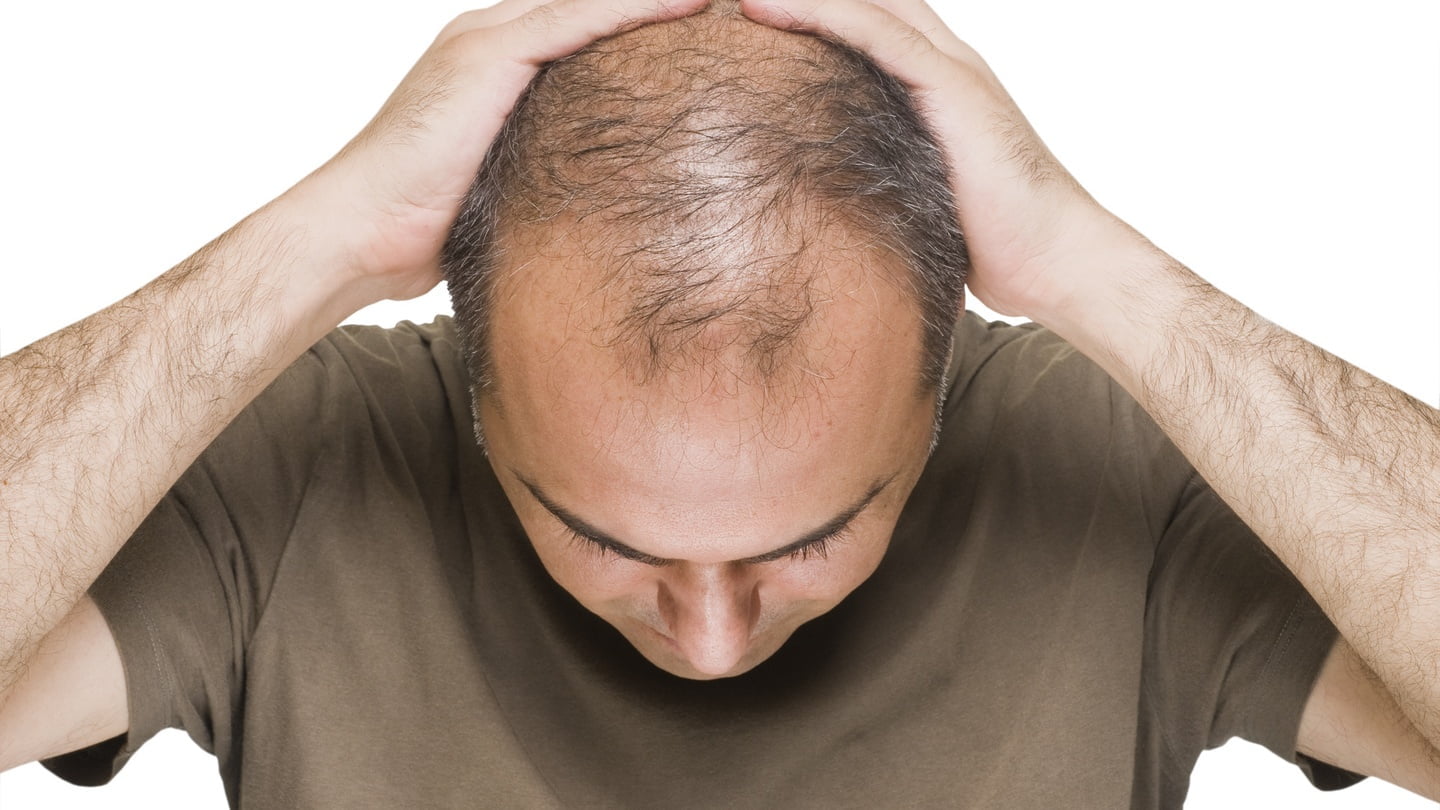
Hair density improvement strategies: from hair transplant to topical finasteride focus on increasing the number of visible hairs per square centimeter while also strengthening existing follicles. These approaches combine medical treatments, surgical procedures, and lifestyle adjustments to slow hair loss and restore fuller, healthier-looking hair. Modern dermatology now offers multiple evidence-based solutions that target the root causes of thinning hair rather than just masking symptoms.
Hair loss affects more than 50% of men over 50 and a significant percentage of women, according to dermatology research published in leading clinical journals. The most common cause, androgenetic alopecia, is driven by genetic sensitivity to dihydrotestosterone (DHT). Because of this, treatment strategies must address both hormonal influence and follicular health to effectively improve density.
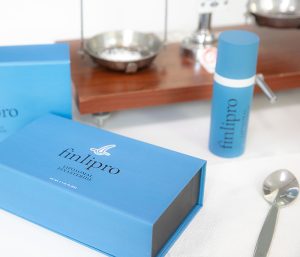
Finasteride is a 5-alpha reductase inhibitor that reduces the conversion of testosterone into DHT, the hormone primarily responsible for follicle miniaturization. Doctors originally developed it to treat benign prostatic hyperplasia, but they later discovered its strong effect on male pattern hair loss.
Oral finasteride quickly became a standard treatment in dermatology because it directly targets the hormonal root cause of thinning hair. Clinical studies show that finasteride can reduce scalp DHT levels by up to 60–70%, which significantly slows hair loss progression and often promotes regrowth in dormant follicles.
The popularity of finasteride comes from its convenience and effectiveness. Patients only need a daily dose, and many begin seeing visible results within 3–6 months. However, concerns about systemic side effects led to the development of topical formulations, which aim to reduce scalp DHT locally while minimizing blood absorption.
Key reasons behind its popularity include:
Strong clinical evidence supporting effectiveness
Ability to slow or reverse miniaturization of hair follicles
Simple daily usage
Compatibility with other treatments like minoxidil or hair transplant procedures
Despite its benefits, finasteride requires careful monitoring. Some users report side effects such as reduced libido or mild hormonal changes, although topical versions aim to reduce these risks significantly.
Topical finasteride has emerged as a modern alternative designed to deliver the active ingredient directly to the scalp. This approach reduces systemic exposure while maintaining strong local effectiveness.
One of the biggest advantages is targeted action. Instead of circulating throughout the entire body, the medication concentrates on hair follicles in the scalp. This allows dermatologists to maintain DHT suppression where it matters most while reducing unwanted systemic effects.
Clinical observations suggest that topical finasteride can reduce scalp DHT levels by 40–50%, depending on formulation strength and absorption rate. While this may be slightly lower than oral versions, many patients find the trade-off acceptable due to improved tolerability.
Benefits include:
Lower risk of systemic side effects
Direct follicle targeting
Compatibility with minoxidil treatments
Improved patient adherence due to reduced concerns
Suitable for long-term maintenance therapy
Topical solutions often combine finasteride with other active ingredients like minoxidil, caffeine, or peptides. This multi-target approach enhances follicular stimulation and improves overall hair density outcomes.

Hair transplant surgery remains one of the most effective long-term solutions for restoring hair density in advanced cases of hair loss. Unlike medications, which slow or stabilize loss, hair transplantation physically relocates healthy follicles to thinning or bald areas.
Modern techniques have significantly improved naturalness and survival rates of grafts. The two most widely used methods are Follicular Unit Extraction (FUE) and Follicular Unit Transplantation (FUT).
FUE involves extracting individual follicles from donor areas, usually the back of the scalp, and implanting them into thinning zones. This technique leaves minimal scarring and offers faster recovery.
FUT, on the other hand, removes a thin strip of scalp and divides it into grafts. While it may leave a linear scar, it can provide a higher number of grafts in a single session.
Key advantages of hair transplant procedures:
Permanent redistribution of healthy follicles
Natural-looking hairline restoration
High graft survival rate when performed correctly
Suitable for advanced hair loss stages
However, transplant success depends heavily on donor hair quality and surgeon expertise. Patients must also maintain medical treatments post-surgery to prevent further loss in non-transplanted areas.
Hair density improvement strategies fall into two major categories: medical treatments and surgical interventions. Each approach offers unique advantages depending on the severity of hair loss and patient expectations.
| Approach | Method | Best For | Results Timeline | Key Benefit |
|---|---|---|---|---|
| Topical Finasteride | Hormonal DHT control | Early to moderate hair loss | 3–6 months | Slows progression |
| Oral Finasteride | Systemic DHT reduction | Male pattern baldness | 3–6 months | Strong regrowth potential |
| Minoxidil | Follicle stimulation | Early thinning | 2–4 months | Improves growth phase |
| Hair Transplant (FUE/FUT) | Surgical relocation | Advanced hair loss | 6–12 months | Permanent density restoration |
| PRP Therapy | Growth factor stimulation | Mild to moderate thinning | 3–6 months | Supports follicle activity |
Medical treatments focus on preserving existing hair, while surgical methods restore lost density. Combining both approaches often produces the best long-term results.
For example, patients undergoing hair transplant surgery often continue using topical finasteride or minoxidil to protect surrounding native hair. This combined strategy improves overall density consistency and prevents future thinning.
Hair density depends on follicular unit count, hair shaft thickness, and growth cycle balance. Each follicle goes through anagen (growth), catagen (transition), and telogen (resting) phases.
Androgenetic alopecia shortens the anagen phase and gradually miniaturizes follicles. As a result, hair becomes thinner and less visible, even if follicle count remains unchanged.
DHT sensitivity plays a critical role in this process. When DHT binds to receptors in genetically predisposed follicles, it weakens their ability to produce thick hair strands.
Improving hair density therefore requires:
Blocking DHT activity
Stimulating follicle growth cycles
Improving scalp circulation
Supporting keratin production
This multi-layered approach explains why combining treatments often produces superior outcomes compared to single-method solutions.
Medical and surgical treatments work best when supported by healthy lifestyle habits. Nutrition, stress levels, and scalp care all influence follicle performance.
Key lifestyle factors include:
Protein-rich diet (supports keratin production)
Iron, zinc, and vitamin D intake
Stress management techniques
Regular scalp hygiene
Avoiding harsh chemical treatments
Chronic stress can elevate cortisol levels, which negatively impacts hair growth cycles. Similarly, nutritional deficiencies can weaken follicle structure and slow regrowth even under treatment.
Uzman İpucu (Expert Insight)
Dermatology specialists often recommend combining topical finasteride with minoxidil for early-stage hair loss. This combination addresses both hormonal suppression and follicle stimulation simultaneously.
A common clinical approach includes:
Morning: minoxidil application
Evening: topical finasteride solution
Weekly scalp massage to improve circulation
This routine improves absorption and enhances treatment response over time.
Patients often expect immediate results, but hair density improvement requires patience and consistency. Follicles need time to re-enter the growth phase.
Important considerations include:
Avoid stopping treatment prematurely
Monitor scalp response regularly
Use medically approved formulations only
Consult a dermatologist before combining treatments
Inconsistent usage remains one of the most common reasons for poor outcomes.
Many individuals make mistakes that reduce treatment effectiveness. Understanding these errors helps improve long-term success.
Common mistakes include:
Overusing topical products expecting faster results
Ignoring underlying hormonal causes
Skipping post-transplant maintenance therapy
Using unverified supplements
Failing to maintain consistent application schedules
Correcting these habits significantly improves hair density outcomes over time.
Modern dermatology increasingly focuses on combination therapy. Instead of relying on a single treatment, specialists design personalized regimens.
Effective combinations include:
Topical finasteride + minoxidil
Hair transplant + DHT blockers
PRP therapy + medical treatment
Nutritional support + scalp care routines
These combinations work synergistically to target multiple causes of hair loss at once.
Hair loss often affects self-esteem and social confidence. Studies show that individuals experiencing noticeable thinning report higher stress levels and reduced self-image.
Improving hair density can therefore provide psychological benefits beyond aesthetics. Patients frequently report:
Increased confidence in social settings
Improved professional self-image
Reduced anxiety related to appearance
This emotional aspect highlights why hair restoration remains a highly sought-after field in dermatology.
Is topical finasteride as effective as oral finasteride?
Topical finasteride provides strong local DHT reduction with fewer systemic effects. It may be slightly less potent than oral versions but offers a better safety profile for many users.
How long does it take to see results from hair density treatments?
Most patients notice early improvements within 3–6 months. Full results typically appear after 9–12 months depending on the treatment method.
Can hair transplant results last forever?
Yes, transplanted follicles are generally permanent because they come from DHT-resistant donor areas. However, surrounding native hair may still thin without maintenance treatment.
Can I combine minoxidil with topical finasteride?
Yes, dermatologists often recommend combining both. This combination improves follicle stimulation and DHT suppression simultaneously, leading to better density outcomes.
