

Topical finasteride for hair loss is a scalp-applied treatment designed to reduce DHT levels locally and support hair regrowth. It helps improve hair density, slow down thinning, and minimize systemic side effects compared to oral finasteride, making it a popular option for androgenetic alopecia treatment.
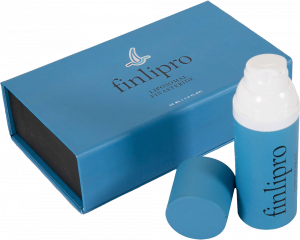
Finasteride is a 5-alpha reductase inhibitor that blocks the conversion of testosterone into dihydrotestosterone (DHT). DHT plays a major role in androgenetic alopecia, also known as male or female pattern hair loss. When DHT binds to hair follicles, it gradually shrinks them, leading to thinner hair and eventually hair loss.
Doctors originally developed finasteride as an oral medication for enlarged prostate treatment, but researchers later discovered its effectiveness in treating hair loss. Today, dermatologists widely prescribe it for androgen-related thinning.
Topical Finasteride for Hair Loss emerged as an alternative formulation designed to target the scalp directly while limiting systemic absorption.
Finasteride works by:
Clinical studies show that finasteride can reduce scalp DHT by up to 60–70% depending on dosage and delivery method.
Topical Finasteride for Hair Loss works by delivering the active ingredient directly to the hair follicles through the skin. Instead of circulating through the entire body like oral tablets, it acts primarily in the scalp tissue.
Once applied, finasteride penetrates the epidermis and inhibits the 5-alpha reductase enzyme locally. This reduces DHT concentration in the scalp while keeping blood plasma levels significantly lower compared to oral use.
Key Mechanism of Action:
This localized mechanism makes it especially appealing for individuals concerned about systemic side effects such as sexual dysfunction or hormonal changes.
Many dermatologists also combine topical finasteride with minoxidil to enhance results. While finasteride reduces DHT, minoxidil improves blood flow and follicle stimulation, creating a synergistic effect.
| Feature | Topical Finasteride | Oral Finasteride |
|---|---|---|
| Delivery Method | Applied directly to scalp | Taken as a pill |
| Systemic Absorption | Low | Moderate to high |
| DHT Reduction | Localized (scalp-focused) | Whole-body reduction |
| Side Effects Risk | Lower potential risk | Higher potential risk |
| Convenience | Requires daily application | Simple oral intake |
| Hair Density Improvement | Strong with consistent use | Strong and well-studied |
Topical Finasteride for Hair Loss is often preferred by users who want targeted treatment without significantly affecting systemic hormone levels.
Hair density improvement remains one of the most important goals for individuals dealing with androgenetic alopecia. The topical formulation offers several advantages.
Improved Hair Thickness
Users often notice thicker strands after consistent application for 3–6 months. This occurs because follicles gradually recover from DHT-induced miniaturization.
Reduced Shedding
Excessive shedding decreases as hair cycles normalize. Many users report visible changes in shower hair loss and combing breakage.
Better Scalp Tolerance
Topical solutions often reduce the risk of systemic hormonal side effects compared to oral medication.
Localized Action
The treatment focuses on the scalp instead of affecting the entire endocrine system.
Long-Term Maintenance
With continuous use, results can stabilize and maintain hair density over time.
Topical Finasteride for Hair Loss provides a balance between effectiveness and safety, making it a modern choice in hair restoration therapy.
Proper application plays a crucial role in achieving results. Dermatologists recommend consistency and correct dosing.
Application Steps:
Recommended Duration:
Most users begin noticing improvements after 3 months, with optimal results appearing around 6–12 months.
Combination Therapy:
Even though topical application reduces systemic exposure, some side effects may still occur.
Possible Local Reactions:
Rare Systemic Effects:
Most users tolerate Topical Finasteride for Hair Loss well, especially when using low-concentration formulas.
Important: If irritation persists, discontinue use and consult a dermatologist immediately.
Dermatologists emphasize patience as the most critical factor in hair regrowth therapy. Hair cycles are slow, and visible density improvements require consistent use for several months.
Experts also suggest tracking progress with monthly photos under consistent lighting. This helps identify subtle improvements that may not be noticeable day-to-day.
Individuals with early-stage androgenetic alopecia typically achieve the best outcomes.
Topical Finasteride for Hair Loss requires long-term commitment rather than quick fixes.
Proper usage ensures both safety and effectiveness.
| Timeframe | Expected Changes |
|---|---|
| 0–1 Month | Minimal visible change, possible shedding adjustment |
| 2–3 Months | Reduced shedding, early stabilization |
| 3–6 Months | Noticeable thickening and improved density |
| 6–12 Months | Strong visible regrowth and fuller appearance |
Consistency remains the most important factor in achieving results with Topical Finasteride for Hair Loss.
Hair loss often affects confidence and self-image. Many users report improved self-esteem once shedding slows and density improves.
A stable treatment routine can also reduce anxiety associated with hair loss progression. Seeing gradual improvement reinforces adherence and motivation.
Research continues to improve formulations with better absorption control and reduced side effects. New delivery systems like liposomal carriers and nanoemulsions aim to enhance scalp targeting.
Experts predict that topical treatments will play a larger role in non-invasive hair restoration strategies over the next decade.
Topical Finasteride for Hair Loss represents a modern and targeted approach to treating androgenetic alopecia. It offers effective DHT suppression at the scalp level while minimizing systemic exposure compared to oral alternatives.
When do topical finasteride results appear?
Initial results usually start within 3 months of consistent use. More visible and noticeable improvements in hair density typically appear after 6 months. Full benefits often continue to develop up to 12 months with regular application.
Is topical finasteride safe?
Topical finasteride is generally considered safe for most users because it has lower systemic absorption compared to oral finasteride. This means it mainly works on the scalp and reduces the likelihood of whole-body hormonal side effects. However, mild scalp irritation may occur in some individuals.
Does topical finasteride completely stop hair loss?
No, topical finasteride does not completely stop hair loss in every case. However, it significantly slows down the progression of androgenetic alopecia and can improve overall hair density. Continuous use is necessary to maintain results.
Can topical finasteride be used with minoxidil?
Yes, topical finasteride is often used together with minoxidil. Dermatologists commonly recommend this combination because they work through different mechanisms: finasteride reduces DHT levels, while minoxidil stimulates blood flow and supports hair growth.
When used consistently and correctly, it supports hair density improvement, reduces shedding, and helps maintain long-term follicle health. Combining it with complementary treatments further enhances results.
