
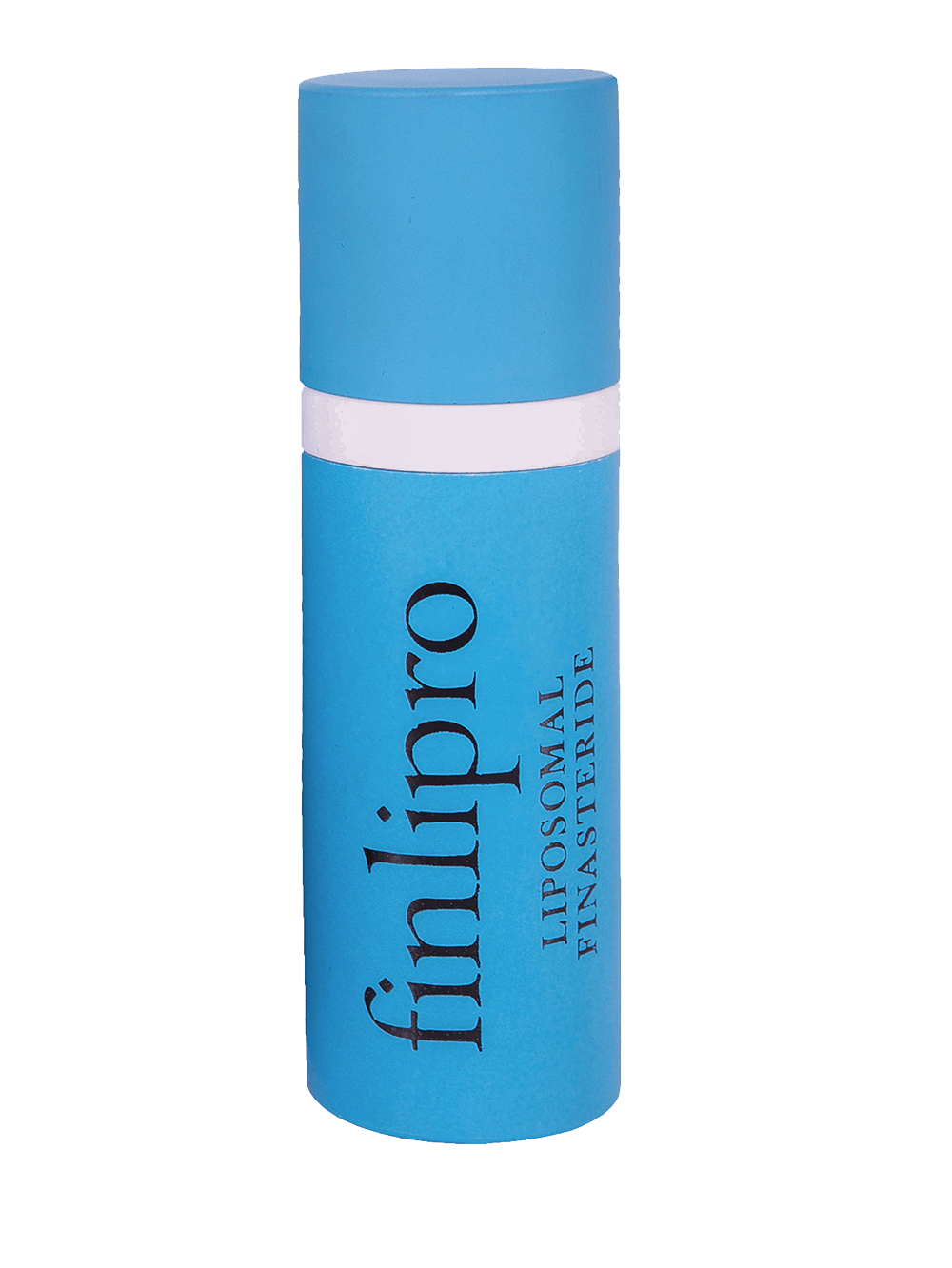
Finasteride is a widely used medication for treating male pattern hair loss and benign prostatic hyperplasia (BPH), and many users wonder how long can you take finasteride safely and effectively. In most clinical studies and real-world usage, people take finasteride for several months to many years, as long as they tolerate it well and continue to see benefits. Long-term use is generally considered safe under medical supervision, but individual response and side effects play a key role in determining duration.
This guide explains everything you need to know about finasteride usage, including effectiveness, safety, long-term outcomes, and what happens when you continue or stop treatment.

Finasteride is a 5-alpha reductase inhibitor that reduces the conversion of testosterone into dihydrotestosterone (DHT). DHT is the main hormone responsible for hair follicle miniaturization in androgenetic alopecia and prostate enlargement in men.
By lowering DHT levels, finasteride helps:
The medication does not cure hair loss permanently, but it manages the underlying hormonal cause as long as you continue taking it.
The question of effectiveness is one of the most searched topics online. Clinical studies and dermatology guidelines consistently show that finasteride works for most men experiencing genetic hair loss.
In controlled trials:
Finasteride works best on the crown and mid-scalp area. It is less effective in the frontal hairline, especially in advanced hair loss cases.
Several factors determine how well finasteride works:
Early intervention usually produces significantly better outcomes compared to late-stage treatment.

During the first few months, users often notice:
However, visible regrowth is usually limited at this stage.
This is where most noticeable changes occur:
Long-term users generally experience:
A key point is that finasteride maintains results rather than continuously improving them indefinitely.
One of the most important questions users ask is how long can you take finasteride without serious risks. Current medical evidence suggests that long-term use—spanning 5 to 10 years or more—is generally safe for most healthy men when monitored properly.
Doctors often prescribe it as a continuous therapy rather than a short-term solution.
Research studies show:
However, individual experiences vary, and regular check-ups are important.
| Duration of Use | Expected Outcome | Hair Retention Level | Stability |
|---|---|---|---|
| 0–6 months | Initial response, reduced shedding | Low to moderate | Unstable |
| 6–12 months | Visible improvement | Moderate | Improving |
| 1–3 years | Maximum stabilization | High | Stable |
| 5+ years | Maintenance phase | High but plateaued | Stable with possible slow decline |
This table highlights that long-term consistency is key to maintaining results.
While finasteride is generally well tolerated, it is important to understand potential side effects.
These effects occur in a small percentage of users and often improve over time or after discontinuation.
It is important to consult a healthcare professional if side effects persist.
Stopping treatment leads to gradual reversal of its effects because DHT levels return to normal.
Typical timeline after stopping:
This is why finasteride is considered a continuous maintenance therapy rather than a permanent cure.
There is no fixed limit for how long can you take finasteride, but the general guideline is:
Many dermatologists recommend long-term use for best results, especially in early-stage androgenetic alopecia.
Some individuals should be more cautious:
In such cases, dosage adjustment or alternative treatments may be considered.
Finasteride is often more effective when combined with other therapies:
Combination therapy can significantly improve density and overall results.
Dermatology experts generally agree that finasteride is one of the most effective FDA-approved treatments for male pattern hair loss. However, they emphasize consistency and patience.
Key professional advice includes:
Many users reduce the effectiveness of treatment due to avoidable mistakes:
Avoiding these mistakes significantly improves long-term outcomes.
Finasteride also provides additional medical benefits:
These benefits make it a multi-purpose medication in men’s health.
Understanding how long can you take finasteride is essential for setting realistic expectations and achieving long-term success. Finasteride is not a short-term fix but a continuous treatment that helps maintain hair and slow genetic hair loss progression.
With consistent use, proper monitoring, and realistic expectations, many users successfully maintain results for years without major issues.
How long can you take finasteride safely?
Most studies show that finasteride can be taken for many years, even over a decade, as long as the user tolerates it well and remains under medical supervision.
Does finasteride stop hair loss permanently?
No. Finasteride controls hair loss only while you take it. Once you stop, DHT levels return and hair loss usually resumes.
How soon does finasteride start working?
Most users notice reduced shedding within 3–6 months, while visible improvements usually appear after 6–12 months.
Can I take finasteride for life?
Yes, many men use it long-term or lifelong. However, regular monitoring is recommended to ensure continued safety and effectiveness.
Understanding how long can you take finasteride is essential for setting realistic expectations and achieving long-term success. Finasteride is not a short-term fix but a continuous treatment that helps maintain hair and slow genetic hair loss progression.
With consistent use, proper monitoring, and realistic expectations, many users successfully maintain results for years without major issues.
