
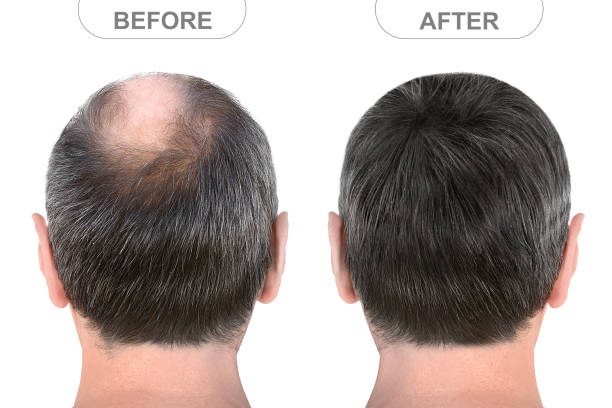
Hair transplant recovery requires careful attention, and understanding things to avoid after hair transplant helps you protect your grafts, speed up healing, and achieve natural-looking results. This guide explains what you should not do after the procedure, how to manage aftercare effectively, and which habits support long-term hair growth.

Knowing the things to avoid after hair transplant makes a direct difference in your final results. Right after surgery, your scalp becomes highly sensitive, and small mistakes can damage grafts or slow recovery. By following the right aftercare steps and avoiding harmful habits, you can protect your investment and ensure healthy, permanent hair growth.
Hair transplant aftercare starts immediately after the procedure and continues for several weeks. During this period, your scalp heals, grafts settle, and new hair begins to grow. You need to follow a structured routine and avoid specific actions that can interfere with healing.
Your scalp may feel itchy during the healing process, but you should never scratch or rub the transplanted area. This behavior can dislodge grafts and cause infection.
Instead, you can:
Washing your hair incorrectly ranks among the most common mistakes. You should wait at least 48 hours before the first wash, depending on your doctor’s advice.
When you wash:
Direct sunlight can damage healing grafts and irritate your scalp. UV rays also increase the risk of pigmentation issues.
You should:
Exercise increases blood flow and sweating, which can harm grafts during the early phase. Sweat can also irritate the scalp and increase infection risk.
Avoid:
Resume activity gradually after your doctor approves.
After the initial healing phase, hair transplant maintenance becomes essential for long-term success. This stage focuses on protecting new hair growth and supporting healthy follicles.
Smoking reduces blood flow to the scalp and slows healing. Alcohol can thin the blood and increase swelling.
You should:
Wearing tight hats or helmets can put pressure on grafts and damage them.
Choose:
Hair dyes, gels, sprays, and chemical products can irritate your scalp and damage new follicles.
Wait at least:
Your body needs nutrients to heal and support hair growth. Poor diet slows recovery and weakens follicles.
Focus on:
Many people unknowingly make mistakes that affect their hair transplant outcome. Understanding these errors helps you avoid long-term issues.
Some patients stop following aftercare instructions too early. This decision increases the risk of graft failure.
Always:
Sleeping position matters during recovery. Pressure on the scalp can damage grafts.
You should:
Both extremes can harm your scalp. Overwashing dries the skin, while underwashing leads to buildup and infection.
Maintain balance:
A study published in dermatology journals shows that proper aftercare improves graft survival rates by up to 30%. This statistic highlights the importance of disciplined recovery habits.
Here is a quick overview of actions you must avoid after a hair transplant:
Each of these actions can negatively impact healing and reduce the success rate of your transplant.
| Recovery Stage | Duration | Key Things to Avoid | Notes |
|---|---|---|---|
| Immediate Phase | First 3 days | Touching, washing, sweating | Grafts are most fragile |
| Early Healing | Days 4–10 | Sun exposure, scratching | Scabs begin to form |
| Shedding Phase | Weeks 2–4 | Stress, poor diet | Temporary hair shedding occurs |
| Growth Phase | Months 1–3 | Chemical products | New hair starts growing |
| Maturation Phase | Months 3–12 | Neglecting maintenance | Hair thickens and strengthens |
You should pay close attention to warning signs during recovery. If you notice unusual symptoms, you need to act quickly.
Watch for:
Seek medical advice immediately if any of these occur.
Hair transplant results improve over time, but only if you maintain proper care.
Build these habits:
Consistency plays a key role in achieving natural and dense hair growth.
You can return to light activities within a few days, but you should avoid intense exercise for at least two weeks. Always follow your doctor’s recommendations.
Yes, temporary shedding happens within the first month. New hair growth typically starts after three months.
You can wear a loose hat after a few days, but avoid tight headwear that puts pressure on the scalp.
You should wait at least four weeks before using styling products and longer for chemical treatments like dyeing.
