
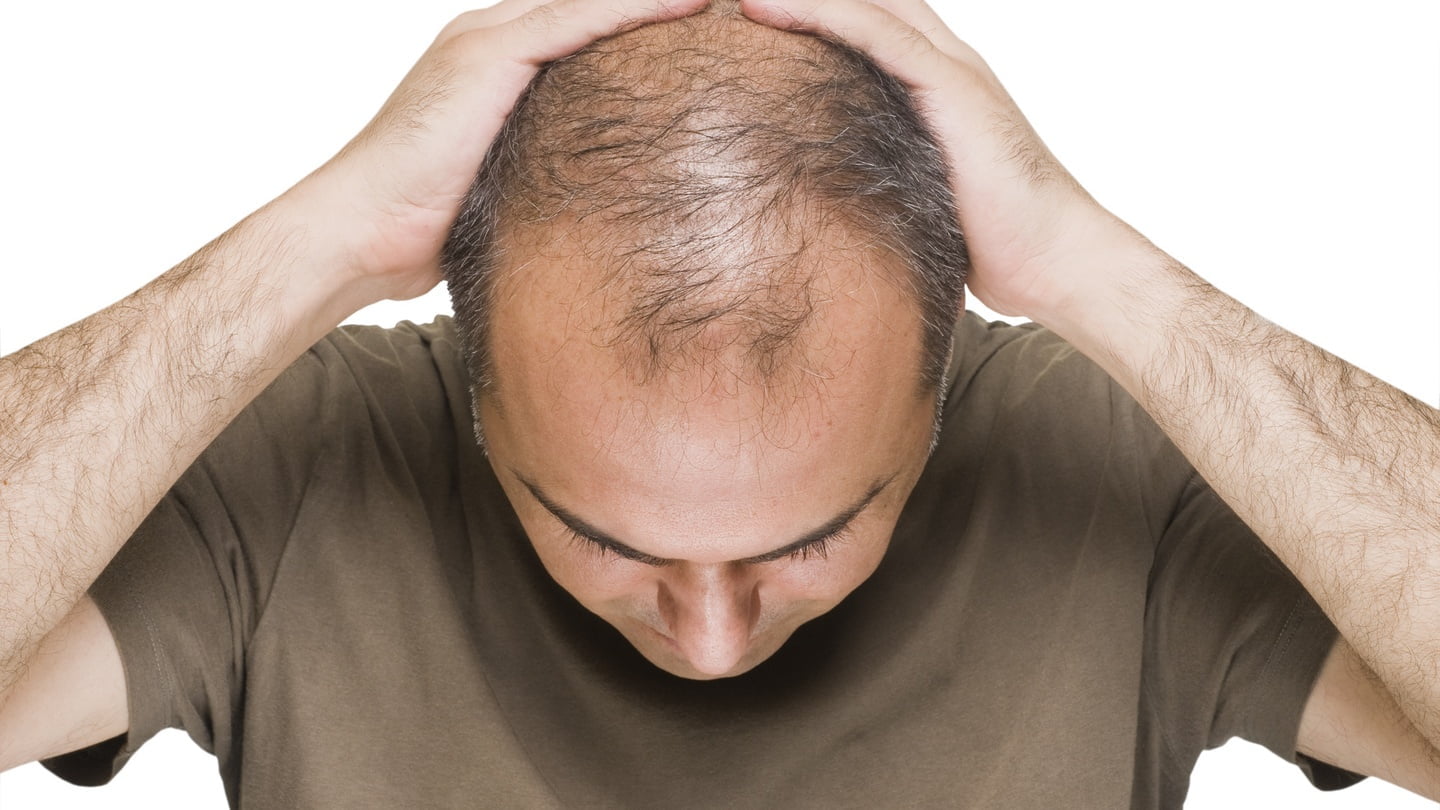
Alopecia is a condition that causes hair loss on the scalp or other parts of the body, and it can significantly affect both appearance and emotional well-being. Understanding what to avoid when dealing with Alopecia is just as important as knowing what treatments to consider, because daily habits, lifestyle choices, and incorrect care routines can worsen the condition. In this guide, you will learn the most common mistakes people make and how to avoid them to support healthier hair and scalp conditions.

Hair loss is one of the most visible and emotionally challenging symptoms of Alopecia, and many people unknowingly make mistakes that accelerate the process. While genetics and autoimmune factors play a role, external habits often determine how fast or severe the condition becomes.
One of the biggest mistakes is ignoring early signs of thinning. Many individuals delay taking action until significant shedding occurs, which reduces the effectiveness of treatments. Early intervention can help preserve existing hair follicles.
Another common issue is excessive styling. Tight ponytails, braids, and harsh chemical treatments can strain the scalp and weaken hair roots. Heat styling tools such as straighteners and curling irons also contribute to further damage when used frequently.
Poor nutrition is another critical factor. A diet lacking essential nutrients like iron, zinc, biotin, and vitamin D can worsen hair loss. Studies show that nearly 30% of individuals with chronic hair thinning have nutritional deficiencies that directly affect follicle health.
Stress is also a major trigger. Chronic stress increases cortisol levels, which can disrupt the natural hair growth cycle. Many dermatologists note that stress-related shedding often appears a few months after a stressful event.
Common mistakes that worsen hair loss
Taking control of these habits can significantly slow down the progression of Alopecia and help maintain stronger hair over time.

A hair transplant is often considered a solution for advanced hair loss, but many people with Alopecia make critical mistakes before and after the procedure. While modern techniques can deliver natural-looking results, expectations and care routines play a major role in success.
One major mistake is choosing a clinic based solely on cost. Low-cost procedures may not always guarantee experienced surgeons or advanced technology. This can lead to unnatural results or poor graft survival rates.
Another issue is unrealistic expectations. A hair transplant does not stop ongoing hair loss; it only redistributes existing follicles. Without proper medical treatment, surrounding hair may continue to fall out, creating uneven density.
Post-surgery care is equally important. Many patients ignore aftercare instructions such as avoiding sun exposure, not scratching the scalp, or sleeping in specific positions. These mistakes can damage newly implanted grafts.
Smoking and alcohol consumption also negatively affect recovery. Both reduce blood circulation to the scalp, slowing healing and reducing graft survival rates.
Important considerations before and after hair transplant
A successful transplant depends not only on the procedure but also on long-term care and consistency.
Scalp health plays a critical role in managing Alopecia, yet many people overlook proper scalp care routines. A healthy scalp creates the foundation for stronger hair growth, while poor care can worsen irritation and inflammation.
Overwashing the scalp is a common mistake. Washing hair too frequently strips natural oils that protect the scalp barrier. On the other hand, infrequent washing can lead to buildup of sebum, dirt, and product residue, which can clog follicles.
Using the wrong shampoo is another issue. Many commercial shampoos contain sulfates and parabens that can irritate sensitive scalps. People with Alopecia should opt for gentle, sulfate-free formulations designed for sensitive skin.
Scalp scratching is also harmful. Constant scratching due to itchiness can damage hair follicles and lead to micro-injuries on the scalp surface.
Scalp care mistakes to avoid
Proper scalp care improves blood circulation and supports healthier hair growth conditions over time.
Living with Alopecia is not only a physical experience but also an emotional one. Many individuals underestimate the psychological impact, which can indirectly worsen the condition.
One major mistake is avoiding social interaction due to self-consciousness. Isolation increases stress levels, which may further trigger hair shedding cycles. Mental health is closely connected to physical health, especially in autoimmune conditions.
Poor sleep habits also play a significant role. Lack of sleep disrupts hormone regulation and slows down the body’s natural repair processes, including hair regeneration.
Another overlooked factor is inconsistent routines. Frequent changes in hair care products, diets, or treatments confuse the scalp and make it harder to track what works effectively.
Lifestyle mistakes to avoid
Maintaining emotional balance and a stable routine is essential for managing Alopecia effectively.
| Common Mistake | Why It Harms Hair | Better Approach |
|---|---|---|
| Overusing heat tools | Weakens hair shafts and causes breakage | Limit heat styling and use protectant sprays |
| Poor nutrition | Reduces follicle strength and growth | Eat protein-rich and vitamin-balanced meals |
| Delaying treatment | Worsens hair loss progression | Seek early dermatological advice |
| Harsh shampoos | Irritates scalp and increases shedding | Use sulfate-free gentle products |
| Stress neglect | Triggers hormonal imbalance | Practice stress management techniques |
Many individuals with Alopecia repeat similar mistakes that slow down recovery or worsen hair loss.
One of the most common mistakes is self-diagnosing without professional support. People often rely on internet advice and delay visiting a dermatologist. This leads to incorrect treatments and wasted time.
Another frequent error is overusing hair supplements. While vitamins can support hair health, excessive intake does not accelerate growth and may even create imbalances in the body.
Some individuals also stop treatment too early when they do not see immediate results. Hair regrowth is a slow process, and most treatments require several months before visible improvement.
Key mistakes to avoid
Consistency and professional guidance are essential for managing Alopecia successfully.
Dermatology experts emphasize that Alopecia management requires a long-term approach rather than quick fixes. Combining medical treatment with lifestyle improvements delivers the best results.
A balanced diet rich in protein, omega-3 fatty acids, and antioxidants supports follicle regeneration. Regular scalp massages can also improve blood flow and encourage healthier growth conditions.
Most importantly, experts recommend tracking progress over time instead of focusing on daily changes. Hair growth cycles are slow, and visible improvement may take 3–6 months depending on the severity of the condition.
People with Alopecia should be extremely careful with scalp treatments and product choices. Not all advertised solutions are suitable for sensitive or inflamed scalps.
Avoid products that promise instant regrowth, as these often lack scientific backing. Instead, focus on clinically tested treatments recommended by dermatologists.
Sun protection is another often overlooked factor. The scalp becomes more sensitive in areas with thinning hair, making it vulnerable to UV damage.
Critical points to remember
Many people unintentionally damage their hair through incorrect daily routines. Even small habits can have long-term effects on Alopecia progression.
Brushing hair too aggressively is one of the most common mistakes. Wet hair is especially fragile and more prone to breakage. Using wide-tooth combs and gentle strokes can help reduce damage.
Sleeping with tight hairstyles also puts pressure on hair roots. Switching to loose styles or letting hair rest naturally can reduce tension on follicles.
Consistency is one of the most important factors in managing Alopecia, yet many people struggle to maintain a stable routine.
Frequent switching between treatments prevents the scalp from adapting and responding effectively. Each treatment requires time to show results, and interrupting the process reduces effectiveness.
Following a structured plan recommended by a specialist ensures better long-term outcomes.
Can alopecia be completely cured?
The answer depends on the type of Alopecia. In some cases, hair can grow back naturally, especially when the condition is temporary or triggered by stress or nutritional deficiencies. However, in other types—such as autoimmune-related alopecia—the condition can often only be managed rather than fully cured. Treatment focuses on slowing progression and supporting regrowth where possible.
Is it possible to slow down hair loss?
Yes, slowing down hair loss is possible with the right approach. A balanced diet rich in vitamins and minerals, effective stress management, and medically approved treatments can significantly reduce shedding. Consistency is key, as hair growth cycles take time and results are not immediate.
Is hair transplant a permanent solution for alopecia?
No, a hair transplant is not a complete cure for Alopecia. The procedure redistributes healthy hair follicles to thinning areas, but it does not stop the underlying condition. If hair loss continues around the transplanted area, additional medical treatments may be needed to maintain overall density.
What is the most important factor in daily care?
Gentle daily care is essential. Using a mild shampoo, avoiding harsh chemicals, and keeping the scalp clean and balanced are the most important steps. In addition, avoiding excessive heat styling and minimizing scalp irritation help maintain a healthier environment for hair growth.
