
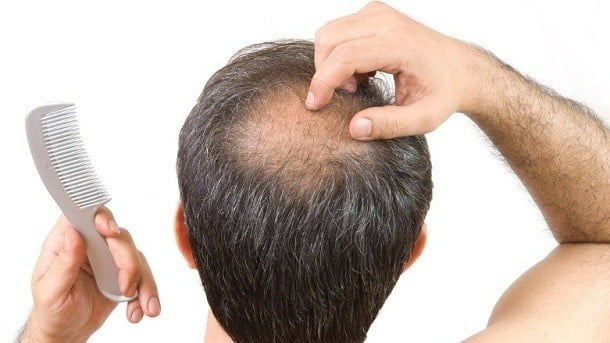
What Is Finasteride? A Complete Guide to Hair Loss Treatment and Topical Finasteride is a widely researched medical approach used to slow, stop, and in many cases partially reverse androgenetic alopecia, commonly known as male pattern hair loss. Finasteride works by targeting the hormonal cause of hair thinning rather than just masking symptoms, making it one of the most effective prescription treatments for long-term hair preservation.
Hair loss affects millions of men and a growing number of women worldwide. Studies suggest that nearly 50% of men experience noticeable hair thinning by age 50. Finasteride has become a key option in dermatology because it directly reduces dihydrotestosterone (DHT), the primary hormone responsible for follicular miniaturization.

Finasteride works by inhibiting the enzyme called 5-alpha reductase. This enzyme converts testosterone into dihydrotestosterone (DHT). When DHT levels rise in the scalp, hair follicles gradually shrink, producing thinner and weaker strands until they eventually stop growing hair.
By lowering DHT levels in the bloodstream and scalp, finasteride helps protect hair follicles from this shrinking process. This leads to:
Clinical studies published in dermatology journals show that finasteride can reduce scalp DHT levels by up to 60–70% within a few weeks of consistent use.
Most users do not see immediate results. Instead, the process follows a predictable timeline:
This slow progression is normal because hair growth cycles take time to reset.
DHT (dihydrotestosterone) plays a central role in androgenetic alopecia. It binds to receptors in hair follicles, especially in genetically sensitive areas such as the crown and hairline.
Over time, DHT causes:
Genetics determines how sensitive your follicles are to DHT. Two individuals with the same hormone levels may experience completely different hair loss patterns. This explains why some people retain thick hair into old age while others experience early thinning.
Environmental factors such as stress, poor diet, and inflammation can worsen the condition, but DHT remains the primary driver.
One of the most discussed advancements in hair loss treatment is topical finasteride. While oral finasteride works systemically, topical formulations aim to target the scalp directly.
| Feature | Oral Finasteride | Topical Finasteride |
|---|---|---|
| Delivery Method | Oral tablet | Scalp solution or spray |
| DHT Reduction | Systemic (blood + scalp) | Mainly localized scalp |
| Side Effects Risk | Higher systemic exposure | Potentially lower systemic absorption |
| Ease of Use | Once daily pill | Daily topical application |
| Effectiveness | Well-established clinical results | Promising but still being studied |
| Prescription Needed | Yes | Often compounded or prescribed |
Topical versions aim to reduce systemic side effects while maintaining scalp effectiveness. Many dermatologists now recommend it for patients who are sensitive to oral treatment or prefer a more localized approach.
However, absorption rates vary depending on formulation strength, carrier solution, and application consistency.
Finasteride is widely considered safe when used under medical supervision, but like any pharmaceutical treatment, it carries potential risks.
Although most users tolerate finasteride well, some may experience:
Research suggests that side effects occur in a small percentage of users, often less than 2–5% in controlled studies.
Important: Finasteride does not cure hair loss permanently. It manages the condition as long as treatment continues.
Many users expect fast results, but hair biology does not respond instantly. Finasteride works gradually by altering hormone levels and resetting the hair growth cycle.
Typical improvement timeline:
Consistency is critical. Skipping doses reduces effectiveness and slows progress.
Finasteride is most effective for:
It is less effective in:
Many users reduce their chances of success due to incorrect usage or expectations.
Correct approach requires patience, consistency, and realistic expectations.
Dermatology specialists often recommend combining finasteride with complementary treatments for stronger results:
When used together, these methods can significantly improve hair density compared to finasteride alone.
Hair restoration is a slow biological process, not a quick cosmetic fix.
Clinical studies consistently support finasteride’s effectiveness. A landmark 5-year study found:
These results make finasteride one of the most evidence-backed treatments in dermatology.
Hair loss is not just a physical condition. It also affects self-esteem, confidence, and social perception. Research in dermatology psychology shows that individuals experiencing hair loss often report:
Effective treatment like finasteride can improve not only hair density but also psychological well-being.
While finasteride addresses hormonal causes, lifestyle habits can support overall results:
These habits do not replace treatment but enhance outcomes.
No. Finasteride helps control hair loss by reducing DHT levels, but it does not provide a permanent cure. Once you stop taking the treatment, DHT levels gradually return to normal, and hair loss typically resumes over time.
Topical finasteride may be better tolerated for many users because it reduces systemic absorption compared to oral tablets. However, its overall effectiveness depends on the formulation, concentration, and consistency of use, so results can vary from person to person.
Most users start noticing initial changes within 3 to 6 months of consistent use. However, maximum and more visible improvements usually appear after 12 months of continuous treatment.
Finasteride is generally not recommended for women, especially those who are pregnant or may become pregnant. It can interfere with fetal development, so it should only be considered under strict medical supervision in specific cases.
