
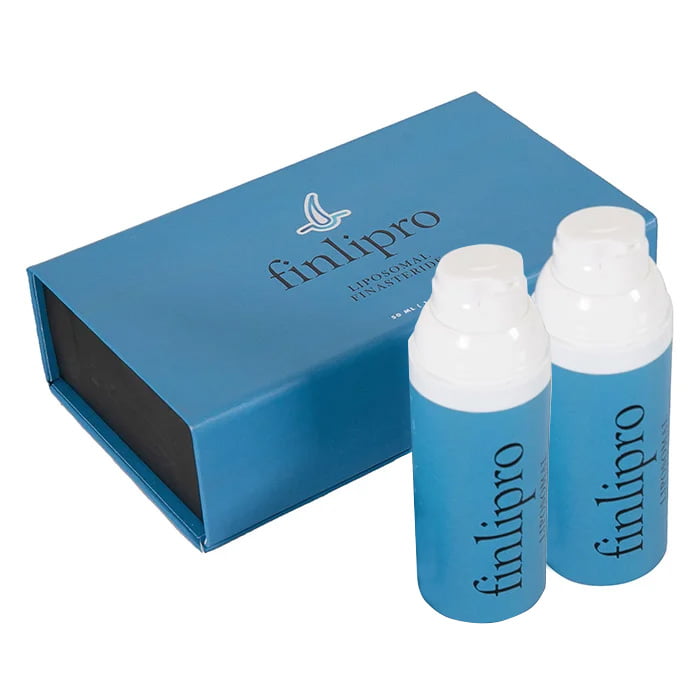
Finasteride is one of the most widely prescribed medications for treating male pattern hair loss. It works by reducing the production of dihydrotestosterone (DHT), a hormone responsible for shrinking hair follicles in genetically susceptible individuals. By lowering DHT levels, finasteride helps slow hair loss, preserve existing hair, and support new hair growth in many users. Understanding how finasteride works and the different treatment options available allows individuals to make informed decisions about managing hair loss effectively.
Hair loss affects millions of men and women worldwide, making it one of the most common cosmetic and psychological concerns. While genetics remain the leading cause of androgenetic alopecia, factors such as stress, hormonal changes, nutritional deficiencies, medications, and certain medical conditions can also contribute to excessive hair shedding.
Modern hair restoration has advanced significantly over the past decade. Instead of relying solely on surgical procedures, patients now have access to scientifically supported medical treatments, regenerative therapies, and personalized hair care strategies.
Common modern treatment options include:
Each treatment targets hair loss differently. Some stimulate dormant follicles, while others prevent further follicle miniaturization. The most successful treatment plans often combine multiple approaches under professional supervision.
Researchers estimate that androgenetic alopecia affects nearly 50% of men by the age of 50. Early intervention generally produces better outcomes because healthy follicles respond more effectively before permanent miniaturization occurs.
Dihydrotestosterone plays a central role in male pattern baldness. It forms when the enzyme 5-alpha reductase converts testosterone into DHT. Individuals with genetic sensitivity experience gradual follicle shrinkage when exposed to elevated DHT levels.
As follicles become smaller:
Reducing DHT does not create new follicles. Instead, it protects existing follicles from further hormonal damage.
Finasteride belongs to a class of medications known as 5-alpha reductase inhibitors. Doctors originally developed it to treat benign prostatic hyperplasia (BPH), but researchers soon discovered its positive effects on hair preservation.
The medication blocks Type II 5-alpha reductase, significantly reducing DHT production throughout the body. Clinical studies consistently show that oral finasteride can decrease scalp DHT levels by approximately 60–70%, helping many patients maintain existing hair and improve overall density.
Unlike cosmetic hair products that temporarily enhance appearance, finasteride addresses one of the underlying biological causes of androgenetic alopecia.
Understanding the natural hair cycle explains why finasteride requires patience.
Hair grows in three primary stages:
| Hair Growth Phase | Function | Average Duration |
|---|---|---|
| Anagen | Active growth phase | 2–7 years |
| Catagen | Transition phase | 2–3 weeks |
| Telogen | Resting and shedding phase | 2–4 months |
Finasteride gradually shifts more follicles into the active growth phase while reducing progressive miniaturization. Since hair naturally grows slowly, visible improvements usually require several months of consistent treatment.
Multiple long-term clinical trials demonstrate the effectiveness of finasteride for androgenetic alopecia.
Research has shown that:
Several studies report that over 80% of men either maintain or improve their hair count after one year of continuous treatment.
Finasteride works best for:
People with completely bald areas for many years generally experience less regrowth because inactive follicles may no longer respond.
Topical finasteride has emerged as an attractive alternative for individuals seeking localized treatment while minimizing systemic exposure.
Instead of taking a daily tablet, users apply the medication directly to affected scalp areas. Researchers designed topical formulations to deliver finasteride where it is needed most while reducing absorption throughout the rest of the body.
Growing clinical evidence suggests topical finasteride effectively lowers scalp DHT concentrations while producing considerably lower blood concentrations than oral therapy.
After application, the medication penetrates the scalp and inhibits local 5-alpha reductase activity.
This localized action helps:
Many dermatologists now consider topical formulations a valuable option for patients concerned about systemic side effects.
Recent studies indicate that topical finasteride can produce meaningful improvements in hair density and hair count.
Patients commonly report:
While oral finasteride still has the largest body of long-term evidence, topical formulations continue to gain scientific support as more clinical trials become available.
Many physicians recommend combination therapy because different treatments target separate biological mechanisms.
Common combinations include:
Combination approaches may improve overall treatment outcomes compared to using a single therapy alone.
Hair follicles remain biologically active for years before permanent loss occurs.
Starting treatment during the early stages offers several advantages:
Waiting until advanced baldness develops limits available treatment options because inactive follicles cannot always regenerate.
Consistency matters more than speed. Finasteride works gradually. Skipping doses or stopping treatment prematurely often reduces long-term effectiveness. Most specialists recommend evaluating progress after at least six to twelve months rather than expecting immediate changes.
Like every prescription medication, finasteride may cause side effects in some individuals.
Possible side effects include:
Most users tolerate finasteride well, and adverse effects occur in a relatively small percentage of patients. Many reported symptoms improve after discontinuing treatment, although anyone experiencing persistent concerns should consult a healthcare professional promptly.
Patients should never begin prescription medications without discussing their medical history with a qualified physician.
Medical treatment works best when combined with healthy daily habits.
Helpful lifestyle practices include:
Nutrition cannot reverse genetic hair loss alone, but it supports healthy follicle function and complements evidence-based treatments.
Many individuals become discouraged because they misunderstand how hair restoration works.
Hair restoration requires patience. Temporary shedding during the first few months may occur as follicles transition into healthier growth cycles.
Finasteride requires ongoing use to maintain results. Once treatment stops, DHT production gradually returns to previous levels, and genetically susceptible follicles may resume miniaturization.
Patients should also remember:
Hair restoration research continues to evolve rapidly.
Scientists are investigating:
Although innovative therapies continue to emerge, finasteride remains one of the most thoroughly researched and clinically validated treatments for androgenetic alopecia.
Its long-term evidence, predictable mechanism, and extensive clinical experience make it a cornerstone of modern medical hair restoration.
Finasteride remains one of the most effective evidence-based treatments for male pattern hair loss because it targets the hormonal process responsible for follicle miniaturization. Whether taken orally or applied topically, the medication can significantly slow hair loss, preserve existing hair, and improve overall density when used consistently under medical supervision. Patients who begin treatment early, maintain realistic expectations, and combine medical therapy with healthy lifestyle habits often achieve the most satisfying long-term outcomes.
Most users notice reduced hair shedding within three to six months, while visible improvements in hair density typically appear after six to twelve months of continuous use.
Current research suggests topical finasteride can effectively reduce scalp DHT and improve hair growth. While oral finasteride has more long-term clinical evidence, topical formulations continue to demonstrate promising results with lower systemic exposure.
Finasteride is primarily prescribed for men with androgenetic alopecia. Women should only use it under specialist supervision because it is not appropriate for everyone, particularly during pregnancy.
Stopping treatment allows DHT levels to rise again. Over several months, the protective effect gradually disappears, and genetically susceptible hair follicles may resume the natural process of miniaturization and hair loss.
