
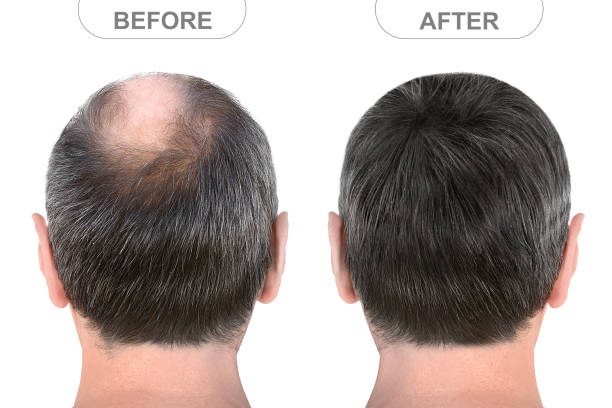
Hair transplant success does not depend only on the surgical procedure but also on how well you manage the healing process afterward. Hair Transplant Care and Post-Operative Recovery Support plays a critical role in graft survival, scalp health, and long-term hair density. Proper aftercare reduces complications, accelerates healing, and ensures natural-looking results that last for years.
This guide explains the complete recovery journey, modern treatment approaches, and proven strategies to improve hair density after transplantation. You will also find expert tips, common mistakes, and practical routines that help maximize your results.

The recovery phase begins immediately after the procedure and continues for several months. During this time, the transplanted grafts settle into the scalp and begin to establish blood supply. This phase determines the final success of the procedure.
Most patients experience mild swelling, redness, and scabbing in the first week. These are normal responses of the scalp. However, proper hygiene and controlled care directly influence healing speed and graft survival rate.
Clinical observations show that graft survival can reach 90%–95% when patients follow correct aftercare instructions. On the other hand, poor care can reduce this rate significantly.
Hair transplant care and post-operative recovery support focuses on protecting the grafts, minimizing trauma, and maintaining a healthy scalp environment.
The first two weeks after surgery are the most sensitive period. Patients must follow a structured care routine to avoid dislodging grafts or causing infections.
Key steps in early recovery:
Scabs usually begin to fall off between days 7 and 12. This is part of the natural healing process and should not be manually removed.
Hair transplant care and post-operative recovery support during this phase ensures that grafts anchor properly and remain stable.

Achieving high hair density is one of the primary goals of transplantation. However, density improvement does not happen immediately. It develops gradually over 6 to 12 months.
New hair growth typically begins around the third month. At first, the strands appear thin and uneven. Over time, they thicken and blend naturally with existing hair.
Factors that influence hair density:
Long-term results depend heavily on consistent care and lifestyle habits. Patients who maintain a healthy diet, avoid smoking, and follow medical advice achieve significantly better density outcomes.
Hair Transplant Care and Post-Operative Recovery Support directly impacts how strong and thick the new hair becomes over time.
Modern hair restoration goes beyond surgery. Clinics now combine multiple treatments to improve results and prevent further hair loss.
These strategies include medical therapies, regenerative treatments, and lifestyle adjustments.
Common modern approaches:
PRP therapy has gained popularity because it uses the patient’s own blood components to stimulate follicle activity. Studies suggest PRP can improve hair thickness by up to 30% in some cases.
These treatments are often integrated into Hair Transplant Care and Post-Operative Recovery Support plans to enhance overall success rates.
Not all patients heal at the same rate. Several biological and environmental factors affect recovery outcomes.
Key influencing factors:
Stress, in particular, can slow down healing by increasing cortisol levels. This affects blood circulation in the scalp and may delay hair growth cycles.
Patients who maintain stable routines and follow aftercare instructions usually experience faster and more consistent recovery.
| Time Period | What Happens | Care Focus |
|---|---|---|
| 0–7 Days | Redness, swelling, scabbing | Protection and hygiene |
| 7–14 Days | Scabs fall off, grafts stabilize | Gentle washing |
| 2–4 Weeks | Shedding phase begins | No panic, normal process |
| 3–4 Months | New hair growth starts | Nutritional support |
| 6–9 Months | Noticeable density increase | Continued care |
| 9–12 Months | Final results visible | Maintenance |
This structured timeline is essential for managing expectations during Hair Transplant Care and Post-Operative Recovery Support.
Experts recommend avoiding alcohol, smoking, and caffeine during the first 10 days after surgery. These substances reduce blood flow to the scalp and may negatively affect graft survival.
Another professional recommendation is to sleep on a travel pillow to avoid direct pressure on the transplanted area. This small adjustment significantly reduces the risk of graft displacement.
Even minor mistakes can impact the final outcome. Patients should remain careful throughout the recovery period.
Critical precautions:
Ignoring post-operative instructions can reduce graft survival rates and lead to uneven hair growth.
Many patients unknowingly harm their results during recovery. Understanding these mistakes helps prevent long-term issues.
Frequent errors include:
These mistakes often delay healing and reduce overall density results. Proper Hair Transplant Care and Post-Operative Recovery Support eliminates most of these risks.
Beyond basic care, several supportive practices improve healing speed and hair quality.
Recommended habits:
Scalp health depends heavily on internal nutrition. A well-balanced diet supports stronger follicle regeneration.
Hair restoration is not only physical but also psychological. Patients often experience temporary anxiety during shedding phases.
This is known as “shock loss” and usually resolves naturally. Understanding this process helps reduce stress and prevents unnecessary concern.
Clinics often educate patients about this stage as part of comprehensive Hair Transplant Care and Post-Operative Recovery Support.
After full recovery, maintenance becomes essential. Transplanted hair is generally permanent, but surrounding native hair may continue to thin.
Long-term maintenance strategies:
Consistent maintenance ensures that results remain natural and dense for many years.
Advancements in technology have significantly improved post-operative care outcomes.
Some clinics now use:
These innovations improve precision and help doctors customize Hair Transplant Care and Post-Operative Recovery Support plans for each patient.
Nutrition plays a major role in follicle regeneration. Hair follicles require amino acids, vitamins, and minerals to grow effectively.
Key nutrients for recovery:
Deficiencies in these nutrients may slow down hair growth or weaken new strands.
Beyond physical changes, hair transplantation improves self-confidence. Patients often report better social interaction and improved self-image after full recovery.
This psychological benefit becomes most noticeable around 8–12 months when final results appear.
A successful outcome depends on both surgical precision and disciplined aftercare under Hair Transplant Care and Post-Operative Recovery Support guidelines.
Hair transplantation delivers long-lasting results when combined with proper aftercare, medical support, and healthy lifestyle habits. Recovery is a gradual process that requires patience, discipline, and attention to detail.
Following structured post-operative guidelines ensures higher graft survival, better density, and natural-looking results. With the right approach, patients can achieve permanent improvements in both appearance and confidence.
How long does recovery take after a hair transplant?
The healing process usually begins within 10–14 days, but full results typically appear within 9–12 months.
Why does hair fall out after a hair transplant?
This condition is known as “shock loss” and is temporary. It is a natural part of the regrowth cycle as new, stronger hair begins to develop.
When can I start exercising again?
Light exercise is generally allowed after 2–3 weeks, but patients should wait about 1 month before returning to intense workouts.
Does hair density increase over time?
Yes, transplanted hair often appears thin at first but gradually thickens and achieves a natural density within 6–12 months.
